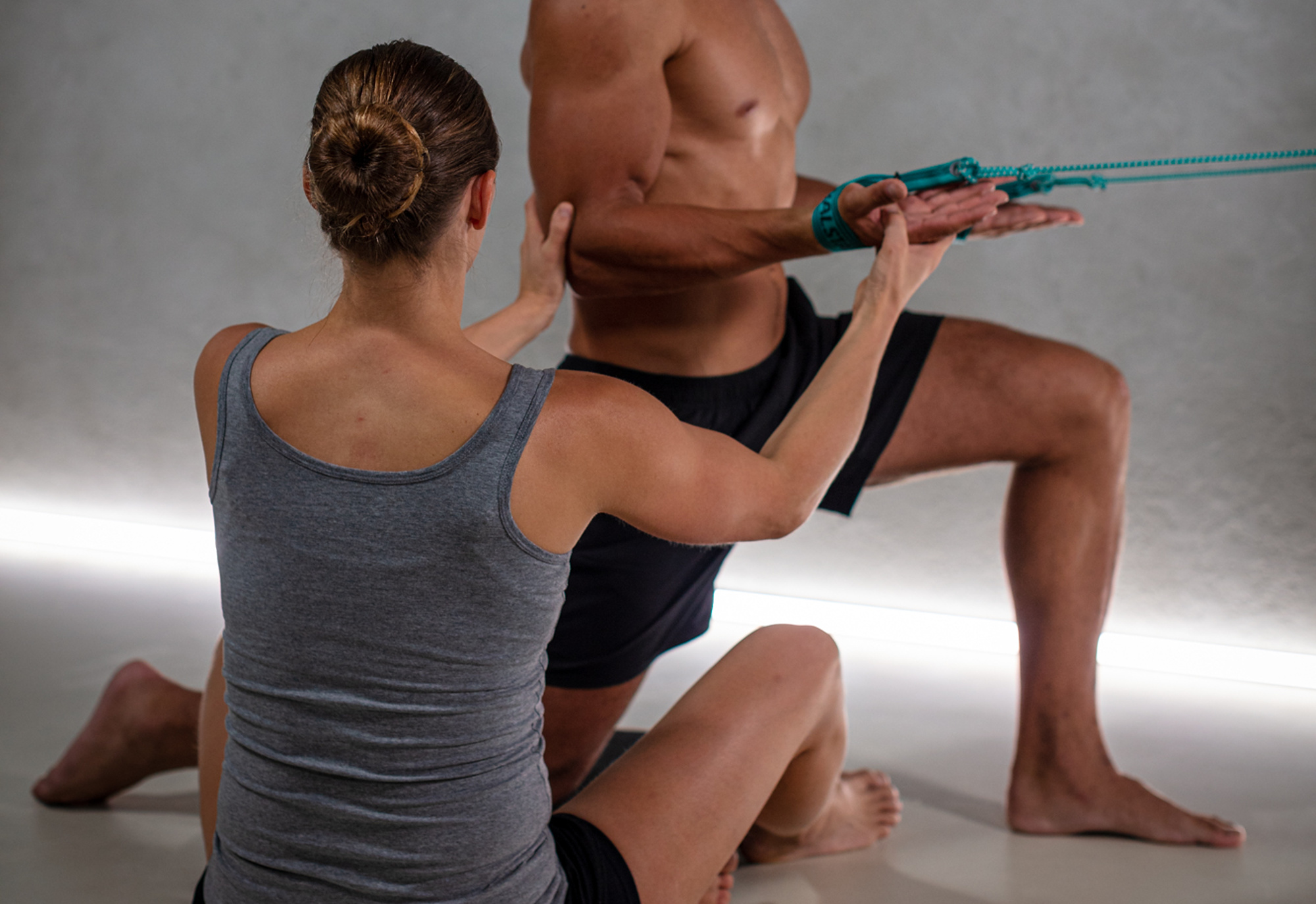
1. What Is the Spiral Stabilisation Method & Its Origins?
The Spiral Stabilisation Method, often abbreviated as SS or SPS, is a therapeutic exercise system developed by Dr. Richard Smíšek, a Czech physician specializing in musculoskeletal rehabilitation, first introduced in 1979 . Since its inception, Dr. Smíšek and his daughters, Kateřina and Zuzana, have continued refining the system .
This method emphasizes strengthening the body’s spiral muscle chains, using an elastic exercise cord to create controlled upward traction — helping align the spine, regenerate intervertebral discs, and restore muscle harmony .
2. How It Works
At its core, the method involves:
- Activating spiral muscle chains: These include muscles like the latissimus dorsi, trapezius, pectoralis major, serratus anterior, and gluteus maximus, working in concert with deeper vertical chain muscles (e.g., erector spinae, rectus abdominis) .
- Elastic cord resistance: Allows the user to gently pull and move limbs against increasingly challenging resistance — simultaneously strengthening, stretching, and improving coordination .
- Upward spinal traction: Spiral tension helps elongate and decompress intervertebral discs, reducing pressure and promoting their nutrition and regeneration .
- Self‑practice potential: Only one piece of equipment (the elastic cord) is required. With initial guidance, individuals can perform the exercises independently at home .
3. Benefits for Posture, Body, Pelvic Floor (Indirectly)
Posture Enhancement
A 2025 clinical trial (71 adults, one hour daily for four days) demonstrated statistically significant improvements in posture angles and deviations after Spiral Stabilisation, marking it as a promising intervention for posture correction .
Improved Postural Stability
Another study involving elite teenage dancers practicing SS exercises over three months showed marked enhancement in postural stability versus control, indicating strong balance and proprioception gains .
Musculoskeletal Support
- Disc health: By decompressing the spine, SS may aid recovery from herniated discs, spinal surgery, and reduce vertebral stress .
- Muscle balance: Corrects imbalances in shoulders, pelvis, and trunk through targeted spiral chain activation .
- Ease of movement: Enhances coordination, flexibility, and alignment — applicable to both rehabilitation and athletic performance .
Indirect Pelvic Floor Benefits
While the method doesn’t explicitly target pelvic floor muscles, the engagement of deep core musculature and pelvic alignment through spiral chain activation likely supports pelvic floor stability and function.
4. Why the Method Works
- Muscle‑fascial synergy: SS harnesses both muscular and fascial systems through spiral and vertical chain activation, promoting whole-body balance .
- Novel yet accessible modality: It requires minimal equipment (elastic cord), is easy to learn, and adaptable to home use .
- Biomechanical foundation: Grounded in optimizing movement patterns used in everyday walking and running, ensuring natural, functional improvements .
5. Spiral Stabilisation vs. Pilates
|
Feature |
Spiral Stabilisation (SS) |
Pilates |
|
Origins |
Dr. Richard Smíšek (Czech Republic), 1979 |
Joseph Pilates (Germany/USA), early 20th century |
|
Mechanism |
Spiral chain activation using elastic cord for traction/stretch |
Controlled, often mat or equipment‑based movements |
|
Equipment |
Single elastic cord (plus optional balance tools) |
Pilates reformers, balls, mats, etc. |
|
Focus Areas |
Posture realignment, spinal traction, balance, core integration |
Core strength, flexibility, alignment, breath |
|
Posture Benefits |
Demonstrated improvements in alignment and deviations |
Widely recognized; strong evidence base |
|
Pelvic Floor/Care |
Indirect via core and pelvic chain activation |
Many tailored exercises explicitly engaging pelvic floor |
|
Self-Practice |
Simple to learn, minimal setup; strong self‑practice suitability |
Accessible, but often benefits from instructor guidance |
6. Results
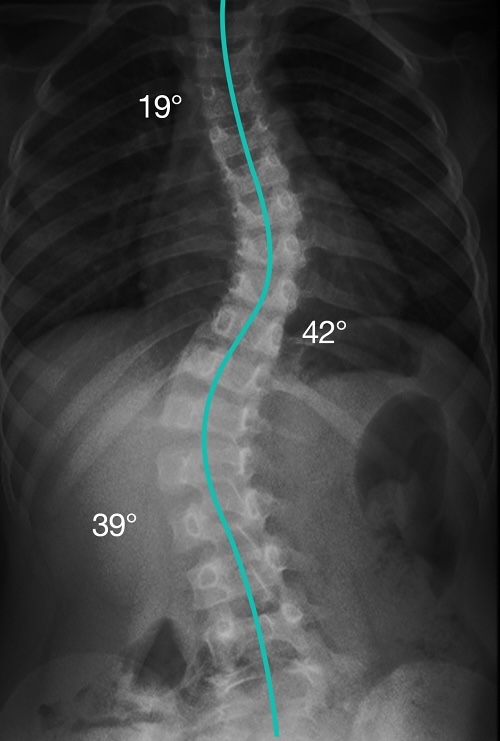
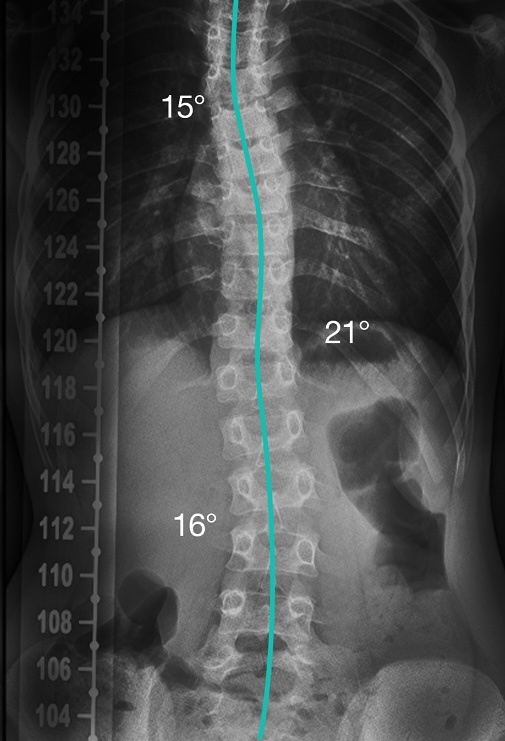
Conclusion
The Spiral Stabilisation Method offers a unique, biomechanically grounded approach to improving posture, spinal health, and functional movement through spiral muscle chain activation. While distinct from Pilates in tools and structure, both methods aim for functional and core stability. SS stands out for its simplicity, upward traction mechanics, and self-applicability.
Interested in exploring specific SS exercises or designing a routine around them?
References
- Smíšek, R. (1979). Development of the Spiral Stabilisation Method (muscle corset, elastic cord principles). Spiral Stabilization Official Site. Available at: https://www.spiralstabilization.com/en/method/ (Accessed: 22 August 2025).
- Bentall Physiotherapy. (2024). Spiral muscle chain principles, upward traction, and disc regeneration. Available at: https://bentallphysiotherapy.com/services/spiral-stabilization/ (Accessed: 22 August 2025).
- Song, X., et al. (2025). Effects of Spiral Stabilization Exercises on Posture in Adults: A Clinical Trial. BMC Sports Science, Medicine and Rehabilitation, 17(1), Article 1218. DOI: 10.1186/s13102-025-01218-y.
- Tufano, J.J., et al. (2015). The Role of Spiral Stabilisation Exercise on the Level of Postural Stability in Dancers. ResearchGate. Available at: https://www.researchgate.net/publication/291186198 (Accessed: 22 August 2025).